Dance like nothing matters

dancing-in-the-rain

“You’ve gotta dance like there’s nobody watching,
Love like you’ll never be hurt,
Sing like there’s nobody listening,
And live like it’s heaven on earth.” 
― William W. Purkey


When it feels like the walls are closing in on you and the stress is threatening to take you down…. stop.  Press the pause button.  You need  to take a moment, an hour, maybe even a whole  afternoon – to do something that will make you smile, grin… or even throw your head back  with uninhibited laughter.

My recommendation: Dance.

Why not?

Dance by yourself (don’t feel self-conscious, nobody is watching!) or grab a partner and twirl around, waltz, or – if you know how – tango!

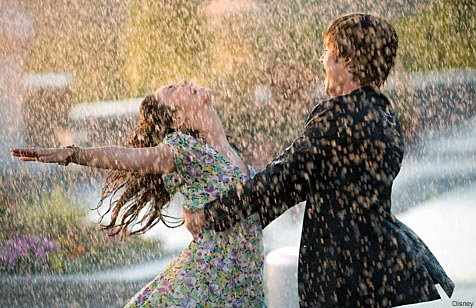
Here, in steamy South Florida, we enjoy daily (afternoon) tropical downpours and I love to go out and dance about  the yard. Lifting my face up to the sky, I welcome the rain as it washes away all the stresses and annoyances that had been niggling away at me.  I feel rejuvenated, refreshed and ready to take on any challenge that may cross my path. I look up at the window and there is my husband and black Lab, both staring at me as if I had just escaped an insane asylum.  I wave at them to join me, but my dog ducks away from the window as soon as the first loud peal of thunder shakes our rooftop.  My husband makes a crazy sign gesture, directed at me, and disappears from sight.  I shrug and continue my rain dance, choosing not to pay attention to the fluttering of curtains in several neighbors’ windows.  Completely soaked through, I finally pad my way up the stairs and go inside to dry up.  My dog greets me with a sniff and a lick. My husband stands beside him, a bath towel in his hand. He wraps it around me, and gives me a hug. 

All is right with the world.

Image via sheranescloset.com.

We, the People

middleclass

“I am a firm believer in the people. If given the truth, they can be depended upon to meet any national crises. The great point is to bring them the real facts.” 

— Abraham Lincoln

♦ ♦ ♦

Excerpt from Casualties of the (Recession) Depression  (last two sentences in the Conclusions):

“The bottom line is:  if there are middle-class Americans who continue to experience economic hardship, then the problem still exists. If they are not in the process of recovering, then we are not “in a recovery.”

♦ ♦ ♦


(Copyright © 2013 Heather Joan Marinos – All Rights Reserved).


Photo: iStockphoto

The Quirks and Eccentricities of Writers

nanowrimo_crazyy_event_better_writer

“I am a completely horizontal author. I can’t think unless I’m lying down, either in bed or stretched on a couch and with a cigarette and coffee handy. I’ve got to be puffing and sipping. As the afternoon wears on, I shift from coffee to mint tea to sherry to martinis. No, I don’t use a typewriter. Not in the beginning. I write my first version in longhand (pencil). Then I do a complete revision, also in longhand. Essentially I think of myself as a stylist, and stylists can become notoriously obsessed with the placing of a comma, the weight of a semicolon. Obsessions of this sort, and the time I take over them, irritate me beyond endurance.”    

Truman Capote

Writers are a curious species.  From writing rituals, superstitions, and funny quirks to over-the-top, Mad Hatter-type eccentricities… we immerse ourselves in an environment, and a process from which all creative juices can flow freely.

If my old marketing colleagues could see me now, they would be shocked.  I used to sport a coiffed, stylish shoulder-length bob  (think Cindy Williams, in her role as Shirley on the TV sitcom “Laverne & Shirley) and always wore chic, professional business attire.  I now look like a cross between Janis Joplin and Bonnie Raitt, but with round, black glasses. My “writing wear” consists of red Stewart plaid pajama bottoms and my favorite black t-shirt, inscribed (in white) with the words: “Drink Ouzo. [Help save Greece].”  I sit, always barefoot, at my desk oblivious to anyone or anything.  Sometimes, I mutter out loud.

Unlike Truman Capote, I am a vertical author. When I’m deep in thought, I pace back and forth.  Like Capote, however, I am ridiculously obsessed with punctuation and this obsession is annoying even to me.

At the commencement of each day, my desk must be clear and pristine, before I’m able to start writing. I can’t function if it’s messy.

My daily ritual of libation-while-writing evolves from early morning to late night: from water (with a lemon slice) in the early AM, to black coffee (Gevalia, French Roast) until 1 pm, to tea (Earl Grey, no milk or sugar) in the afternoon, to single malt scotch (Glenlivet) at 6pm-ish, then on to wine (preferably a nice Burgundy) in the evening, and, late at night, back to water (with a lemon slice).

And, I hate phones.

I know that I am not alone in my “madness” … so, ‘fess up writers.  What are your writing quirks and eccentricities?  I would love to hear about them!

Don’t worry, we’re in good company.  Some of the greatest literary minds of yore (and also a few familiar modern authors) have been clouded (or sharpened…. it’s all a matter of perspective) by their writing fetishes. 

Victor Hugo, a procrastinator by nature, would remove all of his clothes and give them to his servant, with instructions not to return them until he had completed his writing day.

Charles Dickens had a ritual whereby he would drink a sip of hot water after every 50 lines of writing.

Joyce Carol Oates commences her writing day very early and will not eat breakfast until her day’s work is done.  Sometimes her “breakfast” is at dinnertime!

Orhan Pamuk had a quirky ritual. By his own admission, he would leave his house each morning (after saying goodbye to his wife), as if he were going off to work. He would then walk around a few blocks and return home, as if arriving at the office. This put him in the “work zone” frame of mind.

Johann Wolfgang von Goethe would retreat like a hermit into a completely sealed room, devoid of fresh air, and stay there until he completed his work.

So, there you have it.  We are a loopy bunch.

I wouldn’t have it any other way, would you?

Photo credit: Nina Matthews Photography

Relax and Recharge Your Batteries

Relaxing and reading at the beach

“It is both relaxing and invigorating to occasionally set aside the worries of life, seek the company of a friendly book…from the reading of ‘good books’ there comes a richness of life that can be obtained in no other way.” 
― Gordon B. Hinckley

It’s time to turn off the computer and recharge.  What better way to enjoy a summer weekend than to  soak up some sun and relax outdoors with that book you’ve been meaning to read for some time?  For me, it’s been “one of those weeks” and so, I think I’ll heed my own advice.

Have a wonderful weekend!

Cheers,

heatherfromthegrove


Image via greenallianceblog.org.uk.


Three Nuggets of Wisdom for Writers

YoungWriter

1a

“The process of writing a book is infinitely more important than the book that is completed as a result of the writing, let alone the success or failure that book may have after it is written . . . the book is merely a symbol of the writing. In writing the book, I am living. I am growing. I am tapping myself. I am changing. The process is the product.”

Theodore Isaac Rubin

 2a

“Nothing in this world can take the place of persistence.

Talent will not; nothing is more common than unsuccessful people with talent.

Genius will not; unrewarded genius is almost a proverb.

Education will not; the world is full of educated derelicts.

Persistence and determination alone are omnipotent. The slogan ‘press on’ has solved and always will solve the problems of the human race.”

Calvin Coolidge

 3a

“And what, you ask, does writing teach us? First and foremost, it reminds us that we are alive and that it is a gift and a privilege, not a right. We must earn life once it has been awarded us. Life asks for rewards back because it has favored us with animation. So while our art cannot, as we wish it could, save us from wars, privation, envy, greed, old age, or death, it can revitalize us amidst it all.”

Ray Bradbury  (Zen in the Art of Writing(1990) Preface)

swirly2

 Image Credit: Aliaksei Lasevich/Shutterstock

The Intricate Web of Book Publicity, from the Author’s Perspective

book_promo-300x199

“A new book is just like any new product, like a detergent. You have to acquaint people with it.  They have to know it’s there. You only get to be number one when the public knows about you.”
  — Jacqueline Susann 

For many authors, the mere idea of self-promotion fills them with dread, discomfort and distaste (the alliteration… not intentional).  I was of the same mindset and so, recently,  I approached a seasoned publicist and asked him how he would go about selling my book. Aghast, he said “I can’t promise book sales, only exposure.”

“E-x-p-o-s-u-r-e,”  I repeated, speaking the word slowly, trying to digest its ramifications.

Sensing my skepticism, he went on to assure me that with the right exposure (which would entail a lot of dog and pony shows on radio/TV, book events and, of course,  a social media blitz), my book will likely garner enough publicity that will eventually translate to sales.  Note: the only word I heard was “eventually.”  

In my naïveté,  I (like Kevin Costner, in the movie “Field of Dreams”) truly believed that:

“If you build it, they will come.”

I thanked the publicist for his words of wisdom and decided to develop and implement a publicity plan for myself, starting with social media.  Everyday, I learn something new.  This wealth of knowledge will serve me well in the long run and, each week, I’ll be sharing some of my insights with all of you who may have a book, a product or a service to market.  Perhaps it will be helpful. I hope so.

A few days ago, I launched a Facebook Page for my book, Casualties of the (Recession) Depression.  I’m reserving judgment on this social media avenue, since it’s only been “live” for four days.  Too soon to tell.  Please drop by and let me know what you think.  I sincerely welcome all feedback.  At the top right sidebar of this blog, you’ll see the tally of “Likes” on the FB page.  Hopefully, the number will increase exponentially.

FB_Likes

I’ll sign off for now.  I need to go and search through my pile of DVDs for Field of Dreams.  Suddenly, I feel a bit nostalgic.

Here today, gone tomorrow

 0x600

“Writing is the only profession where no one considers you ridiculous if you earn no money.”

 ― Jules Renard 

I will preface this post by saying that there is certainly, in my view, nothing wrong with wanting to make money from writing.  That would be a hypocritical thing to say, since I write for a living.

However, I write about things that interest me, that I’m passionate about –  thoughts, ideas, issues and concerns that I want to share with others, raise awareness  about… and, ultimately, engage in discourse.

I do not write a book just to satisfy a market trend or to capitalize on a subject that I would not normally even consider, just to make a quick buck.

Trends are here today, and gone tomorrow.

It’s really, really important to remember that.  Writers, please heed this advice.  Trendy books eventually fizzle out. They do not live in perpetuity. Their final resting place lies in a dusty old box, stored in some obscure warehouse. 

Make every post, every article, every book you write… a labor of love. Whether you write as a hobby, part-time on the side, or 24/7 (like me) – write something that fuels your adrenaline.

If you find yourself writing for hours on end – oblivious to all the sights and sounds around you, with a cup of coffee that has been cold for at least three hours – you’re probably writing for the right reasons.

Recently, I read an article (can’t remember where, though) that said:

“Write the story that gives you insomnia.”

That’s when you know that your book will have staying power. And, once you’ve written it, perhaps you will catch up on your sleep!


Image: Sandra Gligorijevic/Stock

The dish about book reviews

confessions-of-a-book-reviewer

“I would rather be attacked than unnoticed. For the worst thing you can do to an author is to be silent as to his works.” 
― Samuel Johnson

So, you’ve written a book. It’s out there…. for all the world to pick up and read. Some may love it or  like it, others may have mixed feelings about it, and some readers may thoroughly hate it.  The worst scenario? No one bothers to read it at all.

Presumably if you’ve given birth to a book (after all, it is a long, laborious process and the end result is your very own precious “baby”), you’re proud of it – or at least, you should be (note: if you’re not, you shouldn’t have had it published).

As you wait for the feedback (reviews) to come in,….

… do you pace back and forth?

… wring your hands or restlessly tap your fingers on the desk?

… toss and turn in bed, one endless night after another?

… anxiously check and recheck your Inbox?

… pick up smoking again, to calm your nerves?

No, of course not.

Here’s the dish:  like, dislike, love, hate, indifference – these are all subjective emotions.

How one reader will react to your book or writing style may be radically different from how another reader will respond. Whether the reader is a respected book critic, a professor, an Amazon customer, a friend or family member – it’s all subjective.

This doesn’t mean that you should discount any positive or negative feedback. Nor should you let the great reviews swell up your head or the bad reviews keep you from ever writing again.

Keep it in context. Learn from the criticism.  Be thankful that someone actually took the time to read your book — your book! — and then took more of their own time to write a review. They may give you some new perspective, some information that you could benefit from and will help you as you sit down to write your next book.

Do not take anything personally.

However, there are (unfortunately) haters out there. These are people – cowards and bullies, really – who get off on writing mean-spirited things, who spread nasty gossip, and who try to bring you down.  Disregard those types of people, comments, and reviews.  They are not worth your mindshare. Enough said.

Now, here’s an interesting tidbit of information: in a recent study conducted by the Harvard Business School, it was found that Amazon customer book reviews are just as likely to give an accurate summary of a book’s quality as those of professional newspapers.” The study surveyed 100 non-fiction reviews from 40 media outlets, for HBS’ paper What Makes A Critic Tick? The study also examined all the Amazon customer reviews.  Whilst it was noted that there is “virtually no quality assurance” in Amazon customer reviews (in fact, some reviews can be “plants” by the book publisher, author or competitors),  they still found that both customers and book critics agreed (overall) about the quality of the book. Amazon ratings and expert media  ratings generally concurred.

I suppose that the lesson to be learned from this is to take Amazon customer reviews seriously, but be discerning.

The study further notes that Relative to consumer reviews, professional critics are less favorable to first-time authors. This suggests that one potential advantage of consumer reviews is that they are quicker to identify new and unknown books.”  Professional critics were generally more inclined to positively favor the works written by well-known, prizewinning authors.

Don’t let any of this dishearten you.  Keep writing. Stand by what you say and what you mean. The professional book critics will eventually come around.

But, remember, even the professionals are subjective, so stand your ground.

“From my close observation of writers… they fall into two groups: 1) those who bleed copiously and visibly at any bad review, and 2) those who bleed copiously and secretly at any bad review.”
Isaac Asimov 

Image: Vetta/Getty Images

Do we take literacy for granted?

Books

“Literacy is a bridge from misery to hope. It is a tool for daily life in modern society. It is a bulwark against poverty, and a building block of development, an essential complement to investments in roads, dams, clinics and factories. Literacy is a platform for democratization, and a vehicle for the promotion of cultural and national identity. Especially for girls and women, it is an agent of family health and nutrition. For everyone, everywhere, literacy is, along with education in general, a basic human right…. Literacy is, finally, the road to human progress and the means through which every man, woman and child can realize his or her full potential.”
― Kofi Annan

My parents taught me how to read when I was four years old.  Avid readers themselves,  they passed on their love of books to their children.  By the wise old age of five, I was a bona fide bookworm.  The library, not the candy store, was my favorite place to be.  When I was eleven, I started tutoring kids (my own age and younger) in English and Reading.  This valuable teaching experience made me acutely aware that literacy was not something that should be taken for granted. 

It also taught me  a thing or two about empathy and compassion. 

Today, in the second decade of the 21st century, the problem of illiteracy not only persists… it has actually multiplied.   According to the most recent  (April 28, 2013) data compiled by the U.S. Department of Education’s  National Institute for Literacy,  the illiteracy statistics in America (and around the world) are quite sobering:

United States:

  • 14% of adults can’t read – that’s 32 million adults
  • 21% of adults read below a 5th grade level
  • 63% of prison inmates can’t read
  • 19% of high school graduates can’t read  (this is truly disturbing)

Worldwide:

  • 774 million people can’t read
  • 66% of the world’s illiterate are female

There is no shame or disgrace in being illiterate.

There is, however, a good deal of both shame and disgrace in a system which allows a child to graduate from high school, without having the ability to read.

Although there are many solid literacy initiatives in place, such as No Child Left Behind, there is still much work to be done. 

“Once you learn to read, you will be forever free.” 
― Frederick Douglass

Image via athome.readinghorizons.com.

More summer reading

highres_215549362

“I guess you can call me “old fashioned”. I prefer the book with the pages that you can actually turn. Sure, I may have to lick the tip of my fingers so that the pages don’t stick together when I’m enraptured in a story that I can’t wait to get to the next page. But nothing beats the sound that an actual, physical book makes when you first crack it open or the smell of new, fresh printed words on the creamy white paper of a page turner.” 

― Felicia Johnson 

Well, three weeks of poetry, fiction and non-fiction have come and gone, here at heatherfromthegrove. I hope you found the selections interesting and perhaps even added them to your own summer reading list.

Below, are just a few more for you to consider.  I’ve listed them by genre and category  (only the book title, author and thumbnail book cover). Please scroll slowly, all the way down.

Happy reading!

Cheers,

Heather

POETRY:

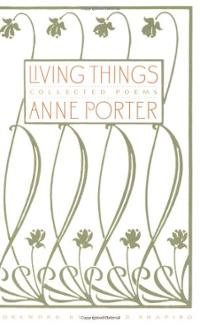
living-things-collected-poems-anne-porter-paperback-cover-artLiving Things: Collected Poems (2006), by Anne Porter

0978067943924_500X500

Phenomenal Women:  Four Poems Celebrating Women, by Maya Angelou

FICTION:

englishgirlflat2

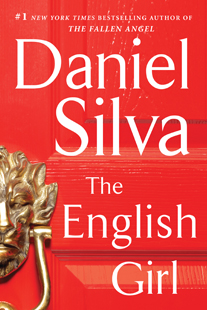
The English Girl, by Daniel Silva

the-ocean-at-the-end-of-the-lane-by-neil-gaiman

The Ocean at the End of the Lane, by Neil Gaiman

enders_game_book_cover

Ender’s Game, by Orson Scott Card

NON-FICTION:

Category – Cookbooks

51GlgWLgjnL._SL500_AA300_

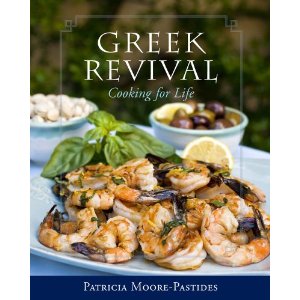
Greek Revival: Cooking for Life, by Patricia Moore-Pastides

51oXmEwmo6L

Jerusalem: A Cookbook, by Yotam Ottolenghi

Category – Memoir

fey_bossypants_custom-49b9189561f8ff85fbfaa7c243df72ef282e54b3-s6-c30

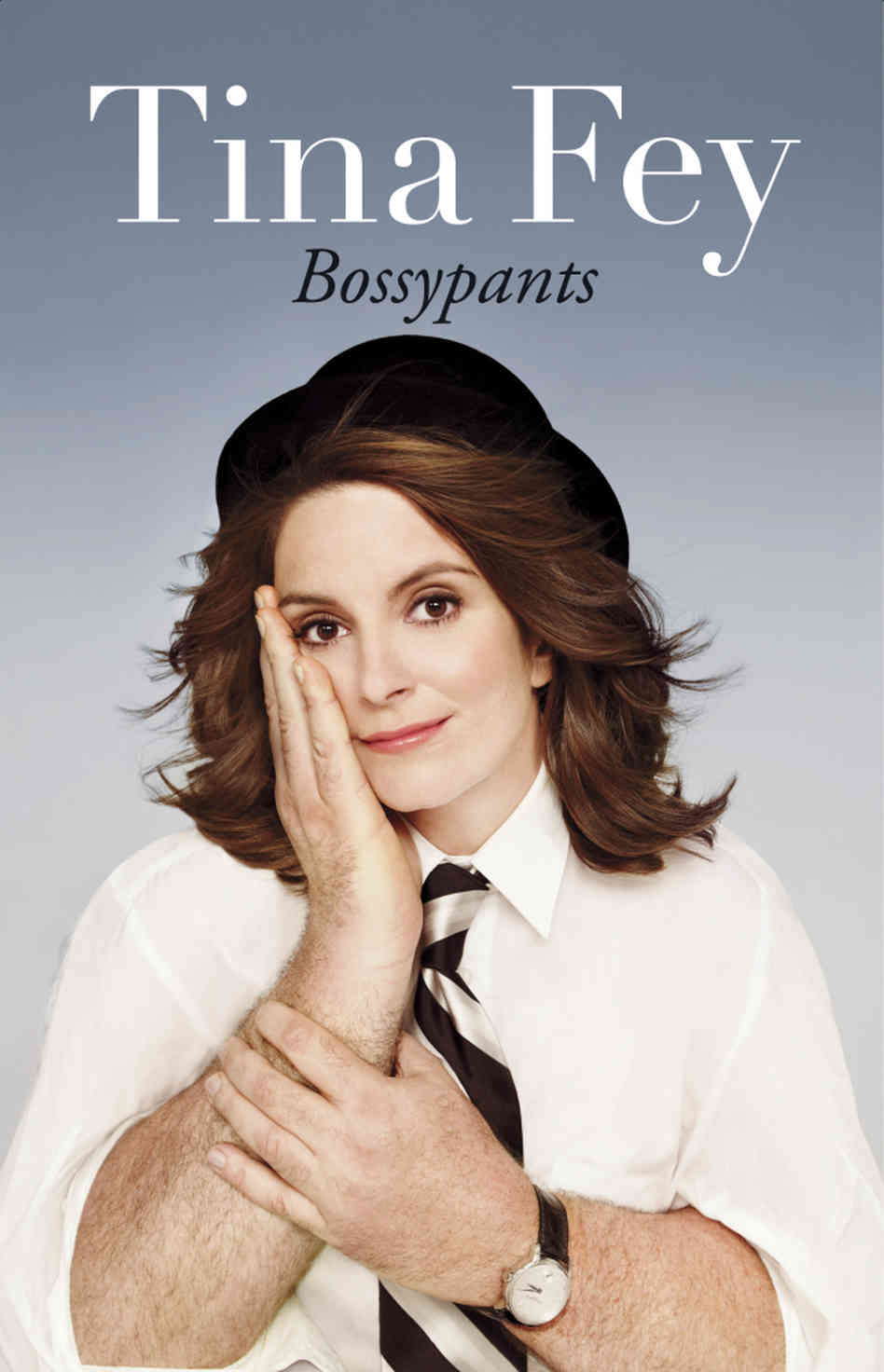
Bossypants, by Tina Fey

9780307731715_p0_v1_s260x420

To Heaven and Back: A Doctor’s Extraordinary Account of Her Death, Heaven, Angels, and Life Again: A True Story, by Mary C. Neal, M.D.

Category – History > North America > Canada

51ssUUIShcL._SY300_

Along the Shore: Rediscovering Toronto’s Waterfront Heritage, by  M. Jane Fairburn

Category – Mainstream Political and Economic Commentary  > United States

9780802194619_p0_v1_s260x420

Time to Start Thinking: America in the Age of Descent, by Edward Luce

9780393088694_custom-6e6b34e78bbf222100052cd95a5e63cc39ad1c5a-s6-c30
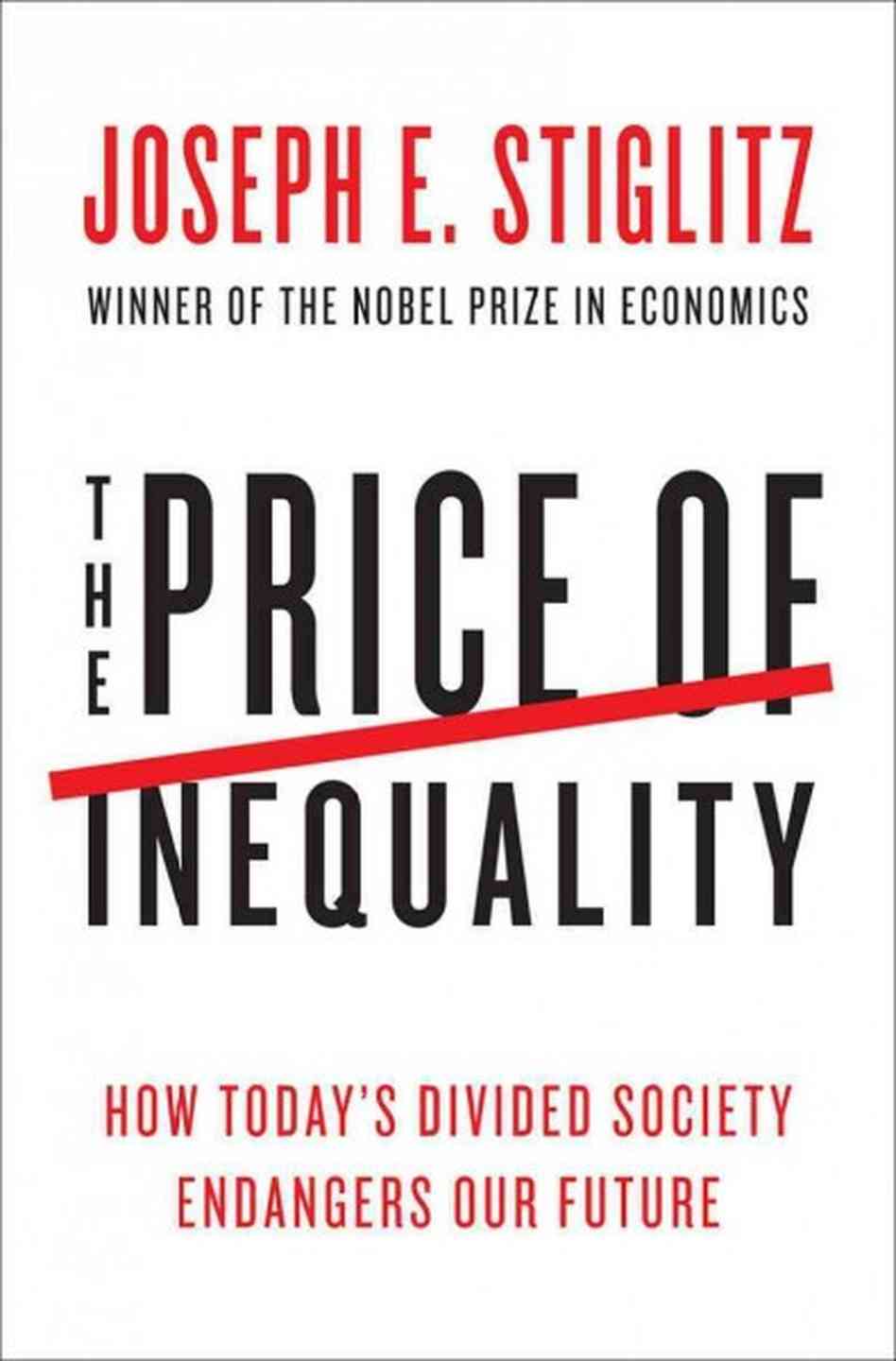
The Price of Inequality: How Today’s Divided Society Endangers Our Future, by Joseph E. Stiglitz

COTRD_Perfect
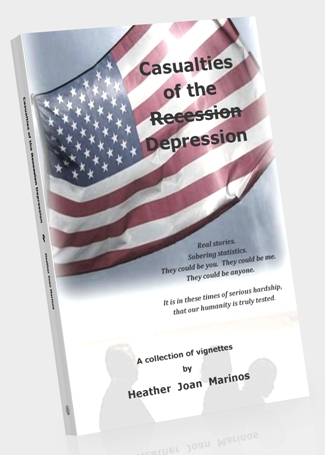
Casualties of the (Recession) Depression, by Heather Joan Marinos

Category – Mainstream Economic Commentary  > International

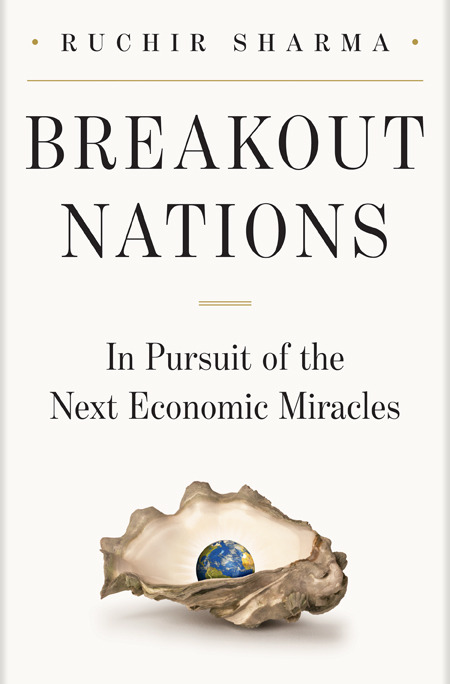
BreakoutNations

BreakoutNations: In Pursuit of the Next Economic Miracles, by Ruchir Sharma

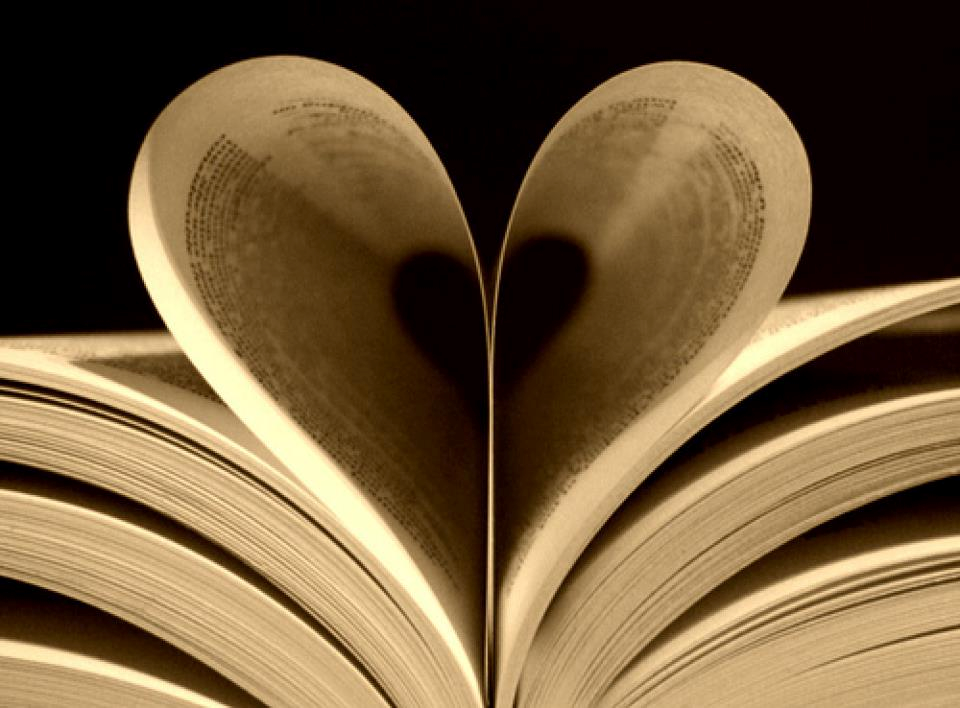
Image (at the very top) via meetup.com.