We, the People

middleclass

“I am a firm believer in the people. If given the truth, they can be depended upon to meet any national crises. The great point is to bring them the real facts.” 

— Abraham Lincoln

♦ ♦ ♦

Excerpt from Casualties of the (Recession) Depression  (last two sentences in the Conclusions):

“The bottom line is:  if there are middle-class Americans who continue to experience economic hardship, then the problem still exists. If they are not in the process of recovering, then we are not “in a recovery.”

♦ ♦ ♦


(Copyright © 2013 Heather Joan Marinos – All Rights Reserved).


Photo: iStockphoto

The Intricate Web of Book Publicity, from the Author’s Perspective

book_promo-300x199

“A new book is just like any new product, like a detergent. You have to acquaint people with it.  They have to know it’s there. You only get to be number one when the public knows about you.”
  — Jacqueline Susann 

For many authors, the mere idea of self-promotion fills them with dread, discomfort and distaste (the alliteration… not intentional).  I was of the same mindset and so, recently,  I approached a seasoned publicist and asked him how he would go about selling my book. Aghast, he said “I can’t promise book sales, only exposure.”

“E-x-p-o-s-u-r-e,”  I repeated, speaking the word slowly, trying to digest its ramifications.

Sensing my skepticism, he went on to assure me that with the right exposure (which would entail a lot of dog and pony shows on radio/TV, book events and, of course,  a social media blitz), my book will likely garner enough publicity that will eventually translate to sales.  Note: the only word I heard was “eventually.”  

In my naïveté,  I (like Kevin Costner, in the movie “Field of Dreams”) truly believed that:

“If you build it, they will come.”

I thanked the publicist for his words of wisdom and decided to develop and implement a publicity plan for myself, starting with social media.  Everyday, I learn something new.  This wealth of knowledge will serve me well in the long run and, each week, I’ll be sharing some of my insights with all of you who may have a book, a product or a service to market.  Perhaps it will be helpful. I hope so.

A few days ago, I launched a Facebook Page for my book, Casualties of the (Recession) Depression.  I’m reserving judgment on this social media avenue, since it’s only been “live” for four days.  Too soon to tell.  Please drop by and let me know what you think.  I sincerely welcome all feedback.  At the top right sidebar of this blog, you’ll see the tally of “Likes” on the FB page.  Hopefully, the number will increase exponentially.

FB_Likes

I’ll sign off for now.  I need to go and search through my pile of DVDs for Field of Dreams.  Suddenly, I feel a bit nostalgic.

The dish about book reviews

confessions-of-a-book-reviewer

“I would rather be attacked than unnoticed. For the worst thing you can do to an author is to be silent as to his works.” 
― Samuel Johnson

So, you’ve written a book. It’s out there…. for all the world to pick up and read. Some may love it or  like it, others may have mixed feelings about it, and some readers may thoroughly hate it.  The worst scenario? No one bothers to read it at all.

Presumably if you’ve given birth to a book (after all, it is a long, laborious process and the end result is your very own precious “baby”), you’re proud of it – or at least, you should be (note: if you’re not, you shouldn’t have had it published).

As you wait for the feedback (reviews) to come in,….

… do you pace back and forth?

… wring your hands or restlessly tap your fingers on the desk?

… toss and turn in bed, one endless night after another?

… anxiously check and recheck your Inbox?

… pick up smoking again, to calm your nerves?

No, of course not.

Here’s the dish:  like, dislike, love, hate, indifference – these are all subjective emotions.

How one reader will react to your book or writing style may be radically different from how another reader will respond. Whether the reader is a respected book critic, a professor, an Amazon customer, a friend or family member – it’s all subjective.

This doesn’t mean that you should discount any positive or negative feedback. Nor should you let the great reviews swell up your head or the bad reviews keep you from ever writing again.

Keep it in context. Learn from the criticism.  Be thankful that someone actually took the time to read your book — your book! — and then took more of their own time to write a review. They may give you some new perspective, some information that you could benefit from and will help you as you sit down to write your next book.

Do not take anything personally.

However, there are (unfortunately) haters out there. These are people – cowards and bullies, really – who get off on writing mean-spirited things, who spread nasty gossip, and who try to bring you down.  Disregard those types of people, comments, and reviews.  They are not worth your mindshare. Enough said.

Now, here’s an interesting tidbit of information: in a recent study conducted by the Harvard Business School, it was found that Amazon customer book reviews are just as likely to give an accurate summary of a book’s quality as those of professional newspapers.” The study surveyed 100 non-fiction reviews from 40 media outlets, for HBS’ paper What Makes A Critic Tick? The study also examined all the Amazon customer reviews.  Whilst it was noted that there is “virtually no quality assurance” in Amazon customer reviews (in fact, some reviews can be “plants” by the book publisher, author or competitors),  they still found that both customers and book critics agreed (overall) about the quality of the book. Amazon ratings and expert media  ratings generally concurred.

I suppose that the lesson to be learned from this is to take Amazon customer reviews seriously, but be discerning.

The study further notes that Relative to consumer reviews, professional critics are less favorable to first-time authors. This suggests that one potential advantage of consumer reviews is that they are quicker to identify new and unknown books.”  Professional critics were generally more inclined to positively favor the works written by well-known, prizewinning authors.

Don’t let any of this dishearten you.  Keep writing. Stand by what you say and what you mean. The professional book critics will eventually come around.

But, remember, even the professionals are subjective, so stand your ground.

“From my close observation of writers… they fall into two groups: 1) those who bleed copiously and visibly at any bad review, and 2) those who bleed copiously and secretly at any bad review.”
Isaac Asimov 

Image: Vetta/Getty Images

More summer reading

highres_215549362

“I guess you can call me “old fashioned”. I prefer the book with the pages that you can actually turn. Sure, I may have to lick the tip of my fingers so that the pages don’t stick together when I’m enraptured in a story that I can’t wait to get to the next page. But nothing beats the sound that an actual, physical book makes when you first crack it open or the smell of new, fresh printed words on the creamy white paper of a page turner.” 

― Felicia Johnson 

Well, three weeks of poetry, fiction and non-fiction have come and gone, here at heatherfromthegrove. I hope you found the selections interesting and perhaps even added them to your own summer reading list.

Below, are just a few more for you to consider.  I’ve listed them by genre and category  (only the book title, author and thumbnail book cover). Please scroll slowly, all the way down.

Happy reading!

Cheers,

Heather

POETRY:

living-things-collected-poems-anne-porter-paperback-cover-artLiving Things: Collected Poems (2006), by Anne Porter

0978067943924_500X500

Phenomenal Women:  Four Poems Celebrating Women, by Maya Angelou

FICTION:

englishgirlflat2

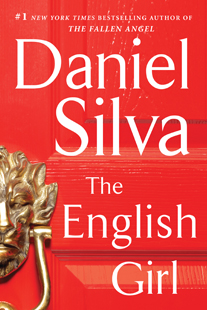
The English Girl, by Daniel Silva

the-ocean-at-the-end-of-the-lane-by-neil-gaiman

The Ocean at the End of the Lane, by Neil Gaiman

enders_game_book_cover

Ender’s Game, by Orson Scott Card

NON-FICTION:

Category – Cookbooks

51GlgWLgjnL._SL500_AA300_

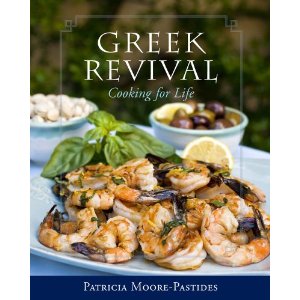
Greek Revival: Cooking for Life, by Patricia Moore-Pastides

51oXmEwmo6L

Jerusalem: A Cookbook, by Yotam Ottolenghi

Category – Memoir

fey_bossypants_custom-49b9189561f8ff85fbfaa7c243df72ef282e54b3-s6-c30

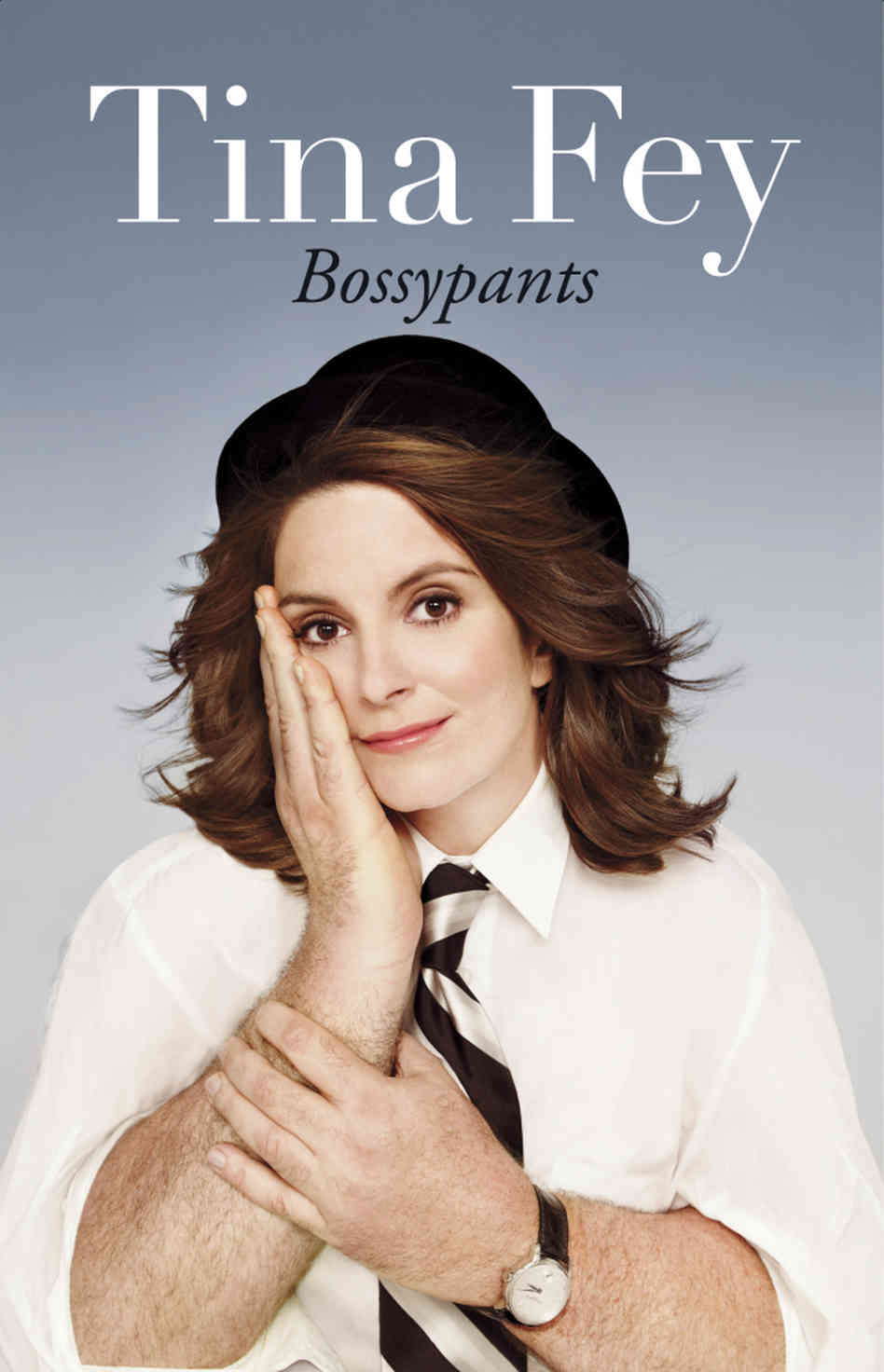
Bossypants, by Tina Fey

9780307731715_p0_v1_s260x420

To Heaven and Back: A Doctor’s Extraordinary Account of Her Death, Heaven, Angels, and Life Again: A True Story, by Mary C. Neal, M.D.

Category – History > North America > Canada

51ssUUIShcL._SY300_

Along the Shore: Rediscovering Toronto’s Waterfront Heritage, by  M. Jane Fairburn

Category – Mainstream Political and Economic Commentary  > United States

9780802194619_p0_v1_s260x420

Time to Start Thinking: America in the Age of Descent, by Edward Luce

9780393088694_custom-6e6b34e78bbf222100052cd95a5e63cc39ad1c5a-s6-c30
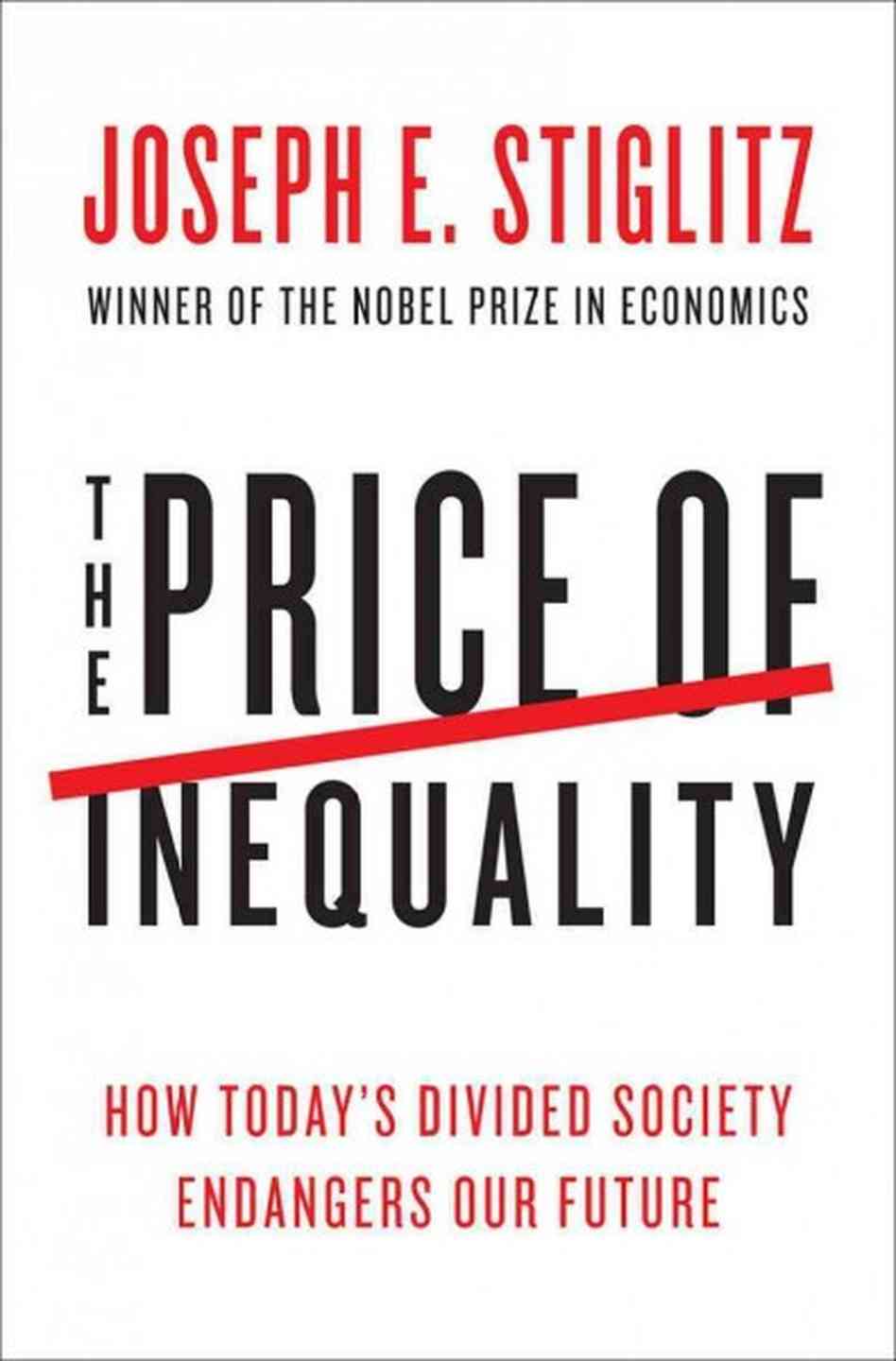
The Price of Inequality: How Today’s Divided Society Endangers Our Future, by Joseph E. Stiglitz

COTRD_Perfect
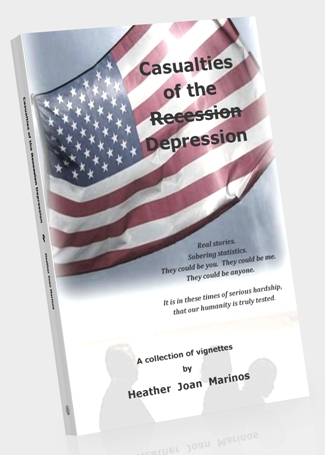
Casualties of the (Recession) Depression, by Heather Joan Marinos

Category – Mainstream Economic Commentary  > International

BreakoutNations

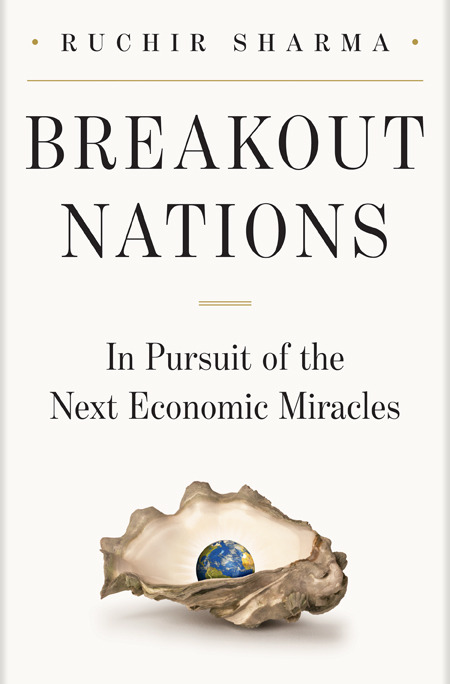
BreakoutNations: In Pursuit of the Next Economic Miracles, by Ruchir Sharma

Image (at the very top) via meetup.com.

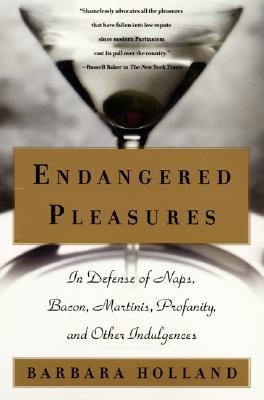
heatherfromthegrove’s non-fiction spotlight for today: “Endangered Pleasures: In Defense of Naps, Bacon, Martinis, Profanity, and Other Indulgences” by Barbara Holland

♦ ♦ ♦

Let’s wrap up non-fiction week, here @ heatherfromthegrove, with a little humor.

♦ ♦ ♦

159367“Joy has been leaking out of our life… We have let the new Puritans take over, spreading a layer of foreboding across the land until even ignorant small children rarely laugh anymore. Pain has become nobler than pleasure; work, however foolish or futile, nobler than play; and denying ourselves even the most harmless delights marks the suitably somber outlook on life.”

Barbara Holland, Endangered Pleasures: In Defense of Naps, Bacon, Martinis, Profanity, and Other Indulgences

There’s nothing like a little hedonism on a hot summer day. Endangered Pleasures is an unabashed and irreverent ode to self-indulgence. In defense of small vices and taking time to smell the roses, the late Barbara Holland reminds us that we should loosen our ties, kick off our shoes and… live a little bit.  Have some fun. If only Barbara Holland had met someone like Alexis Zorba (Zorba the Greek)… they would have shared quite a few dances together!

This beautifully written book contains essays that extol every simple, little joy – from waking up in the morning to padding barefoot around the house and yard. Holland’s wry sense of humor comes through, loud and clear, making us realize that sometimes we take ourselves way too seriously.

Here are a few Barbara-isms (her endangered pleasures):

“The cold and limey rattle of a vodka-tonic being walked across the lawn.”

“Finishing our tax returns.”

“The smells of the morning paper, cut grass, and old leather jackets.”

“A glass of cold champagne and a perfectly ripe pear, perhaps with a spoonful of caviar eaten straight from the jar.”

“Singing to ourselves in the car.”

I’m so happy that I came across this book, but sad that the author has since passed away. Endangered Pleasures is a great summer read, so kick off  your shoes, pour yourself a glass of something and have a good chuckle. Life’s too short.

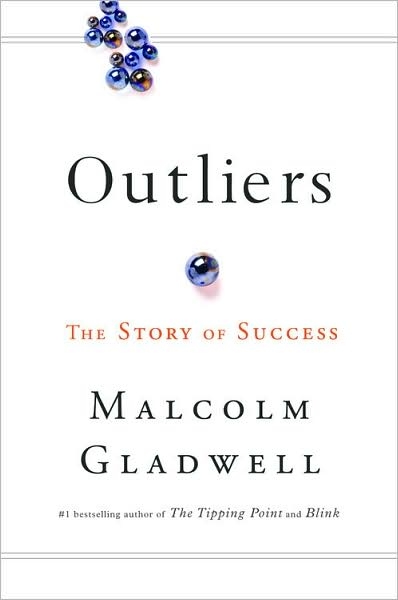
heatherfromthegrove’s non-fiction spotlight for today: “Outliers: The Story of Success” by Malcolm Gladwell

♦ ♦ ♦

Monday, July 22 – Saturday, July 27

NON-FICTION

 @ heatherfromthegrove!

Enjoy some good summer reading.

♦ ♦ ♦

 outliers

“Do you see the consequences of the way we have chosen to think about success? Because we so profoundly personalize success, we miss opportunities to lift others onto the top rung…We are too much in awe of those who succeed and far too dismissive of those who fail. And most of all, we become much too passive. We overlook just how large a role we all play—and by “we” I mean society—in determining who makes it and who doesn’t.”

Malcolm Gladwell, Outliers: The Story of Success


True to form, bestselling author Malcolm Gladwell (Blink and Tipping Point) takes us on an intellectual expedition into the realm of high achievers – über-successful people like Microsoft co-founder Bill Gates and the phenomenon known as “The Beatles.”  An “outlier” is, in Gladwell’s own words, “a scientific term to describe things or phenomena that lie outside normal experience.” In the context of his book, outliers “are the men and women who, for one reason or another, are so accomplished and so extraordinary and so outside of ordinary experience that they are as puzzling to the rest of us as a cold day in August.

Dispelling the notion that extremely successful people attain success because they make it happen –through their own smarts, tenacious drive, willingness to hustle and, good old-fashioned hard work,  Gladwell points out that there are many extremely intelligent, highly gifted, hardworking people for whom success has been an elusive mistress. Therefore, the common dogma of “You are the author of your own destiny. You make your own success.”  does not apply in many cases. In this book, Gladwell asks us to shift our focus from what successful people are like,  to where successful people come from.  He argues that one’s culture, family background and upbringing play a significant role in the makeup of a high achiever.

Clear, witty and intelligent, Outliers offers a new perspective on what it takes to achieve extreme success. Granted, success does rely – to a great extent – on individual effort. However, what should not be ignored is the degree to which outside factors, such as people and circumstances, affect a person’s success or failure.  Therefore, we (as a society) have the ability to help shape people’s lives, and  (if directed in the right way and with the best intentions) for the better.   

heatherfromthegrove’s non-fiction spotlight for today: “Behind the Beautiful Forevers” by Katherine Boo

♦ ♦ ♦

Monday, July 22 – Saturday, July 27

NON-FICTION

 @ heatherfromthegrove!

Enjoy some good summer reading.

♦ ♦ ♦

FabOverFifty_My_Favorite_Books_of_2012_Linda_Wolfe_Behind_The_Beautiful_Forevers

“It seemed to him that in Annawadi, fortunes derived not just from what people did, or how well they did it, but from the accidents and catastrophes they dodged. A decent life was the train that hadn’t hit you, the slumlord you hadn’t offended, the malaria you hadn’t caught.” 
Katherine Boo, Behind the Beautiful Forevers – Life, Death, and Hope in a Mumbai Undercity

From the moment we are introduced to the intelligent and resourceful Muslim teenager, Abdul, living in the slum settlement of Annawadi, we are drawn into an underground world that is as tragic and heart-wrenching as it is humorous and hopeful.  The characters are so vivid and their stories so compelling that one has to remind oneself that this is not a tale of fiction.  This beautifully crafted piece of narrative non-fiction is the end product of three intense years of reporting by master journalist and Pulitzer Prize-winner Katherine Boo.

The gripping stories of the families, surviving in a makeshift settlement near the Mumbai airport,  make us cry, wince and laugh. Living just a stone’s throw away from  luxury hotels filled with wealthy patrons, we feel their distress and anger as they battle the inequalities of class and caste.  In the dawn of a newly prosperous India, the stark contrast of the abject poverty with the neighboring wealth is a constant (and harsh) reminder that not all things (or people) are created equal. Fuelled by  hope and tenacity, the people of Annawadi strive for a better life,  despite the challenges and roadblocks that intercept them at every turn.

Behind the Beautiful Forevers is an unforgettable book and probably one of the best I’ve read in a while.

heatherfromthegrove’s non-fiction spotlight for today: “Thinking, Fast and Slow” by Daniel Kahneman

♦ ♦ ♦

Monday, July 22 – Saturday, July 27

NON-FICTION

 @ heatherfromthegrove!

Enjoy some good summer reading.

♦ ♦ ♦

 uc5r5QklTM4NLrJVqNdRwTl72eJkfbmt4t8yenImKBVaiQDB_Rd1H6kmuBWtceBJ

“A remarkable aspect of your mental life is that you are rarely stumped. True, you occasionally face a question such as 17 × 24 = ? to which no answer comes immediately to mind, but these dumbfounded moments are rare. The normal state of your mind is that you have intuitive feelings and opinions about almost everything that comes your way. You like or dislike people long before you know much about them; you trust or distrust strangers without knowing why; you feel that an enterprise is bound to succeed without analyzing it. Whether you state them or not, you often have answers to questions that you do not completely understand, relying on evidence that you can neither explain nor defend.”

 – Daniel Kahneman, Thinking, Fast and Slow

Noted for his extensive research, knowledge and work on the psychology of judgment and decision-making, hedonic psychology and behavioral economics, renowned Israeli-American psychologist Daniel Kahneman delivers a very fascinating exploration of the mind in Thinking, Fast and Slow. In this compelling book, we learn that there are two systems which drive the mind:  System 1 – our fast, automatic, intuitive and emotional mode, and System 2 – our slower, more calculated and logical reasoning mode.  Kahneman explains how the two systems affect how and why we make certain choices and decisions (in business and in our personal lives) and, more importantly, how we can employ certain techniques  and preemptive measures to mitigate potential problems that our intuitive mind may cause. He then teaches us ways to successfully tap into the benefits of slow, deliberate thinking.

Thinking, Fast and Slow is a treat to the intellect, one that needs to be read and digested slowly.

Daniel Kahneman, winner of the 2002 Nobel Memorial Prize in Economic Sciences, is currently Professor Emeritus of psychology and public affairs at Princeton University’s Woodrow Wilson School.

heatherfromthegrove’s non-fiction spotlight for today: “Quiet: The Power of Introverts in a World That Can’t Stop Talking” by Susan Cain

♦ ♦ ♦

Monday, July 22 – Saturday, July 27

NON-FICTION

 @ heatherfromthegrove!

Enjoy some good summer reading.

♦ ♦ ♦

quiet-final-jacket

“Introverts, in contrast, may have strong social skills and enjoy parties and business meetings, but after a while wish they were home in their pajamas. They prefer to devote their social energies to close friends, colleagues, and family. They listen more than they talk, think before they speak, and often feel as if they express themselves better in writing than in conversation. They tend to dislike conflict. Many have a horror of small talk, but enjoy deep discussions.”

Susan Cain, Quiet: The Power of Introverts in a World That Can’t Stop Talking

I love the title of this book. Quiet: The Power of Introverts in a World That Can’t Stop Talking. Listening to loud, incessant talking gives me a headache. Unfortunately this “noise” is the norm, rather than the exception. Just turn on the television set and watch a few commercials or catch a daytime talk show. Personally, I do not enjoy listening to people as they talk over each other. However, as Susan Cain points out, the “Extrovert Ideal” has indeed “permeated our culture.” Despite the premise that introverts comprise, at the very least, one-third of the people we know, they remain undervalued in American society – much to our detriment.

Impeccably researched and beautifully written, this book is replete with interesting stories of real people and we get to meet some highly successful introverts, dispelling the myth that he who shouts loudest gets heard.

This book is a thought-provoking read.  Introverts will be inspired and extroverts will gain some new and interesting perspective.

Quiet has been on the New York Times Bestsellers List (Paperback, Non-fiction) for twenty-four weeks straight and is not likely to fall off the list anytime soon.

heatherfromthegrove’s non-fiction spotlight for today: “Drinking with Men” by Rosie Schaap

♦ ♦ ♦

Monday, July 22 – Saturday, July 27

NON-FICTION

 @ heatherfromthegrove!

Enjoy some good summer reading.

♦ ♦ ♦

 24book "Drinking with Men" by Rosie Schaap.

“But my attraction to bars is less governed by the laws of physics than it is by the rules of romance: I prefer one bar at a time. When it comes to where I drink, I’m a serial monogamist. Still, although loyalty is upheld as a virtue, bar regularhood—the practice of drinking in a particular establishment so often that you become known by, and bond with, both the bartenders and your fellow patrons—is often looked down upon in a culture obsessed with health and work. But despite what we are often told, being a regular isn’t synonymous with being a drunk; regularhood is much more about the camaraderie than the alcohol. Sharing the joys of drink and conversation with friends old and new, in a comfortable and familiar setting, is one of life’s most unheralded pleasures.”

Rosie Schaap, Drinking with Men: A Memoir

I want to nip any and all erroneous assumptions in the bud. This is not the memoir of an alcoholic. Drinking with Men, Rosie Schaap pays homage to all the bars, pubs, and taverns that she ever frequented, the interesting characters who sat with her around the bar, and all the stories (joyous and tragic) that they’ve shared.  I thoroughly enjoyed this book, partly because Schaap is an engaging storyteller who has clearly collected a treasure trove of humorous and poignant anecdotes in her years as a barfly… and also because I can identify with much of what she has experienced. To this day, when faced with the choice of having my meal in a restaurant’s  main dining room or eating at the bar, I always choose the latter.  It’s all about the people and listening to their stories, some of which can be quite compelling.  The wine and spirits are secondary.  It should be noted that many a barfly has been known to sip non-alcoholic drinks like San Pellegrino or Perrier, with a slice of lemon or lime. 

Kudos to Rosie Schaap, who incidentally writes the “Drinks” column for The New York Times Magazine, for she has written a memoir that is as thoughtful as it is witty. It’s the perfect summer read to enjoy, while relaxing by the pool or on the beach, and sipping your favorite libation… whether it be regular iced tea or a  Long Island Iced Tea.  Cheers!